
Copper peptide
AHK-Cu
A copper peptide with a hair-biology focus: human follicles and dermal papilla cells in ex vivo research.
Format100 mg
Price1,400,000 VND ≈ $54
StatusConfirm before payment
Choose your orderVolume discount applies automatically
Delivery across VietnamAbout 30 minutes in Da Nang; 1–2 days elsewhere in Vietnam.We confirm the exact item and address in writing before payment.
- Labeled vial
- Swabs + syringe
- Written confirmation
Research use only

Explore the molecule
Formats and prices AHK-CuA different sequence within the copper-peptide family
A clear starting point. Follow the research, unpack the terminology and compare related profiles.
The story behind the name
Why researchers choose AHK-Cu
AHK-Cu joins alanine, histidine and lysine with copper. Its appeal is a focused mechanism: a published ex vivo study found longer human hair follicles and greater dermal papilla cell proliferation after exposure to AHK-Cu. That makes it a distinctive copper peptide for hair biology research, separate from GHK-Cu.
Research questions
What do researchers investigate?
Dermal papilla cell proliferation
Copper-peptide signaling in skin models
Unpack the terminology
Tap a term to see what it means.
Copper complex
A peptide can bind a copper ion. The amino-acid sequence still matters: GHK-Cu and AHK-Cu have different sequences.
Research model
A controlled system such as cells, isolated tissue or an animal model. A result describes that setting and does not automatically transfer to people.
Reading and sources
Arch Pharm Res · AHK-CuCompare
Put the profiles side by side
Compare research directions and labelled formats. Choose a related material to explore the difference.
AHK-Cu
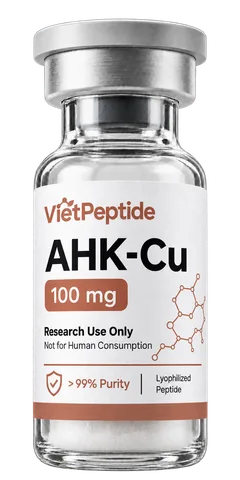
A copper peptide with a hair-biology focus: human follicles and dermal papilla cells in ex vivo research.
Listed formats100 mg
GHK-Cu
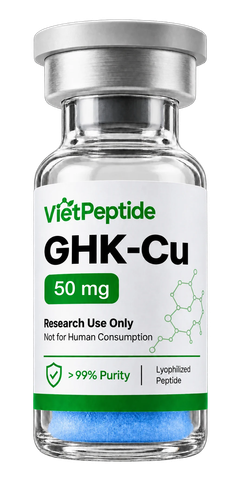
Collagen and skin remodeling: a naturally occurring copper peptide with a focused skin-research profile.
Listed formats50 mg · 100 mg
Explore this profile Questions
A closer look at the details
How is AHK-Cu different from GHK-Cu?
AHK-Cu starts with alanine; GHK-Cu starts with glycine. They are related copper-binding tripeptides, but not the same molecule.
What makes AHK-Cu interesting?
A published ex vivo study reported hair-follicle elongation and dermal papilla cell proliferation. Those findings support research interest, not a promise of hair regrowth in people.
What does the amount on the label mean?
The label records the amount or volume in the vial. It identifies the format; it does not define a use regimen.
Research context, not a promise of clinical effects. Read each study in its original experimental setting.
Format and price
Available options.
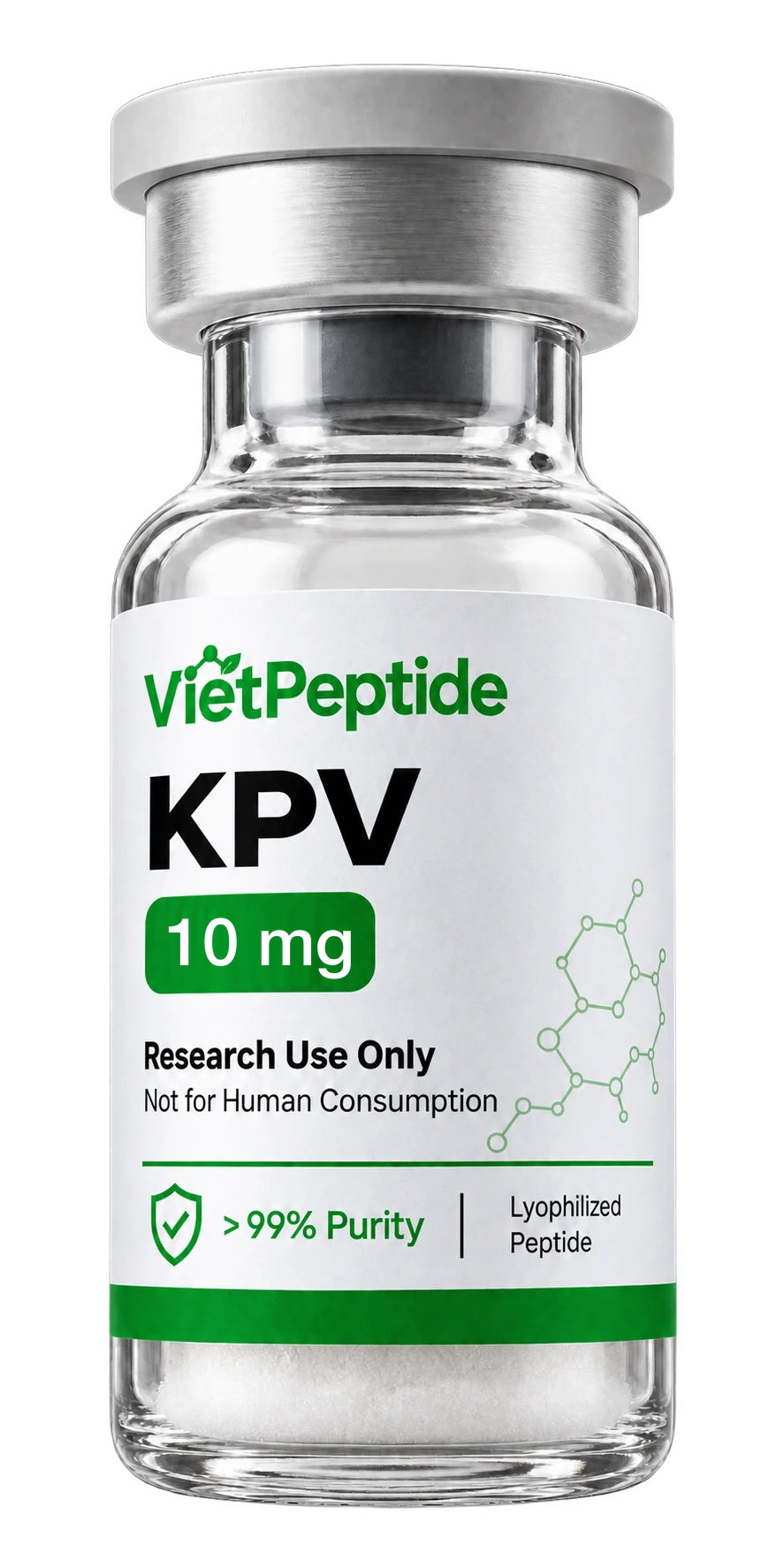
Need several formats or repeat quantities? Open the bulk request checklist.
Need to check an exact format and availability? Open the current availability check.
FAQ
AHK-Cu
How is AHK-Cu different from GHK-Cu?
AHK-Cu starts with alanine; GHK-Cu starts with glycine. They are related copper-binding tripeptides, but not the same molecule.
What makes AHK-Cu interesting?
A published ex vivo study reported hair-follicle elongation and dermal papilla cell proliferation. Those findings support research interest, not a promise of hair regrowth in people.
How do I check AHK-Cu availability?
Tap “Order” and choose WhatsApp or Telegram. Your chosen app opens a short message with AHK-Cu 100 mg. Send it to check availability.
Can I pay directly on the website?
No. After confirmation, payment is accepted in VND or USD.